
Yes, lobsters are carnivores. As a marine biologist, I’ve had the pleasure of studying these fascinating creatures up close, and I’m excited to share my knowledge with you. In this blog post, we’ll dive deep into the world of lobsters, their diet, and their hunting habits. We’ll also explore their role in the marine ecosystem, their importance to humans, and some interesting facts about their biology and behavior. Join me on this journey as we uncover the mysteries of these magnificent marine animals.
Contents
The Lobster’s Diet: What Do They Eat?
Crustaceans and Mollusks
Lobsters are opportunistic feeders and primarily eat other marine animals, particularly crustaceans and mollusks. Some of their favorite meals include crabs, clams, mussels, and snails. They use their strong claws to crush the shells of these animals, giving them access to the soft and nutritious flesh inside.
Fish and Other Marine Life
Lobsters are not picky eaters and will also consume a variety of fish and other marine life. They are known to prey on smaller fish, as well as dead fish and other decaying organic matter. In addition, they may eat other invertebrates such as worms and echinoderms (e.g., sea stars and sea urchins).
Hunting Habits: How Do Lobsters Catch Their Prey?
Nocturnal Predators
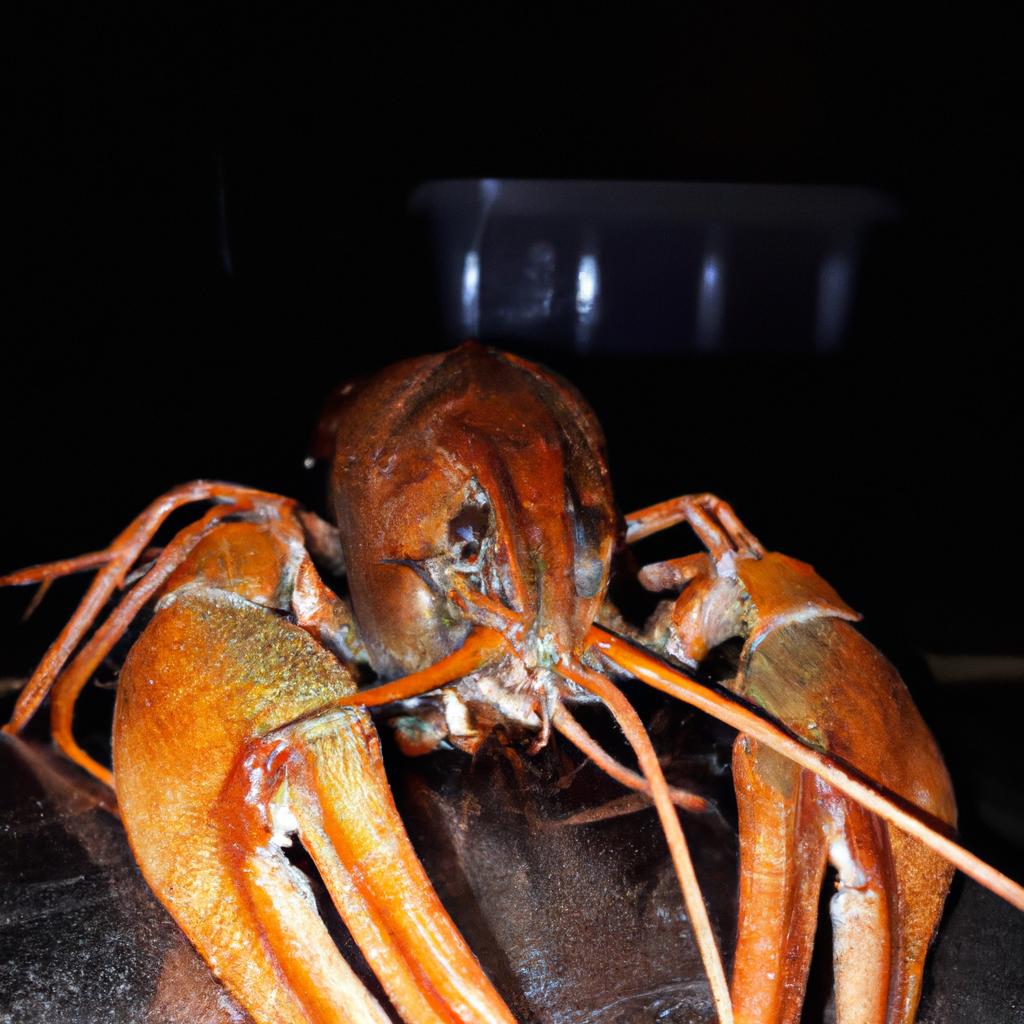
Lobsters are primarily nocturnal, which means they are most active during the night. They use this time to hunt for food, using their excellent sense of smell to locate potential prey. Once they have found a suitable target, they use their powerful claws and quick reflexes to capture and subdue their meal.
Scavenging Opportunities
While lobsters are skilled hunters, they are also opportunistic scavengers. They will happily consume dead or decaying organic matter, which provides an important source of nutrition. This scavenging behavior helps to keep the ocean floor clean and contributes to the overall health of the marine ecosystem.
Lobsters in the Marine Ecosystem: A Vital Role
Predators and Prey
Lobsters play a crucial role in the marine ecosystem, both as predators and as prey. As predators, they help to control the populations of their prey species, maintaining a balance within the ecosystem. At the same time, lobsters are also an important source of food for larger marine animals, such as fish and marine mammals.
Nutrient Cycling
By consuming dead and decaying organic matter, lobsters contribute to the nutrient cycling process in the ocean. They help to break down and recycle nutrients, which in turn supports the growth of marine plants and other organisms.
The Importance of Lobsters to Humans
A Culinary Delight
Lobsters are highly valued by humans for their delicious taste and nutritional value. They are a popular seafood delicacy, enjoyed by people all around the world. Lobster fishing is an important industry in many coastal regions, providing jobs and supporting local economies.
Ecotourism and Education
Lobsters also play a role in ecotourism, as people travel to coastal areas to observe these fascinating animals in their natural habitat. This interest in lobsters helps to raise awareness about marine conservation and supports the protection of marine habitats and ecosystems.
Interesting Facts About Lobsters
Longevity and Growth
Lobsters can live for several decades, with some individuals reaching ages of 50 years or more. They continue to grow throughout their lives, and there is no known maximum size that they can reach.
Mating Rituals
Lobsters have a unique and complex mating process. The female releases a pheromone, attracting a male to her den. The male then deposits a sperm packet in the female’s body, which she stores until she is ready to release her eggs.
Regeneration Abilities
Lobsters have an incredible ability to regenerate lost limbs. If a lobster loses a claw or a leg, it can grow a new one during its next molt.
Conclusion: Lobsters are Indeed Carnivores
In conclusion, lobsters are carnivores that primarily feed on other marine animals, such as crustaceans and mollusks. They are nocturnal hunters and opportunistic scavengers, playing a vital role in the marine ecosystem as both predators and prey. Their importance to humans is undeniable, as they provide a delicious culinary experience and contribute to ecotourism and marine conservation efforts. To sum up, here are ten fascinating facts about lobsters:
1. Lobsters are carnivores that primarily eat crustaceans and mollusks.
2. They are opportunistic feeders, consuming a variety of marine animals and decaying organic matter.
3. Lobsters are nocturnal predators, hunting for food during the night.
4. They play a crucial role in the marine ecosystem as both predators and prey.
5. Their scavenging behavior contributes to nutrient cycling in the ocean.
6. Lobsters are highly valued by humans for their taste and nutritional value.
7. They support coastal economies through fishing and ecotourism.
8. Lobsters can live for several decades and continue to grow throughout their lives.
9. They have unique mating rituals involving pheromones and sperm packets.
10. Lobsters have an incredible ability to regenerate lost limbs.
FAQs
Is A crab A carnivore?
Yes, crabs are carnivores and primarily feed on other animals such as small fish, mollusks, and other crustaceans.
What is a lobster defined as?
A lobster is a marine crustacean with a hard exoskeleton, two large claws, and a long tail.
What is a lobster classified as?
A lobster is classified as a type of crustacean.
Is a lobster a herbivore or a carnivore?
A lobster is a carnivore, meaning it primarily eats other animals.
What classifies a lobster?
A lobster is classified as a type of crustacean, belonging to the family Nephropidae. They are characterized by their hard exoskeleton, two large claws, and long antennae.
Is A lobster A fish or a Mammal?
A lobster is neither a fish nor a mammal, it is a type of crustacean.


