
Are mollusks decomposers? Mollusks, one of the most diverse groups of invertebrates, play a variety of roles in marine ecosystems. As a marine biologist, I have had the opportunity to study these fascinating creatures in their natural habitats, and throughout my research, I have found that mollusks are not decomposers, but they do play a vital role in maintaining the health and balance of marine ecosystems.
In this blog post, we will explore the world of mollusks, their ecological roles, and the importance of their conservation. From their unique biology and anatomy to their ecological interactions and human uses, we will delve into the fascinating world of these marine invertebrates.
Contents
Mollusk Biology and Anatomy
The Mollusk Phylum
Mollusks are members of the phylum Mollusca, which includes over 100,000 species of invertebrates such as snails, clams, octopuses, and squid. These creatures are found in virtually every marine habitat, from the deepest trenches of the ocean to the intertidal zone where they are exposed to changing tides and environmental conditions.
Key Features of Mollusks
Mollusks possess a range of distinctive features that set them apart from other invertebrates. These include a soft body, a muscular foot used for movement, a visceral mass containing internal organs, and a mantle that secretes the shell in many species. Some mollusks, such as cephalopods, have evolved more complex features like highly developed eyes, beak-like mouths, and advanced nervous systems.
Ecological Roles of Mollusks
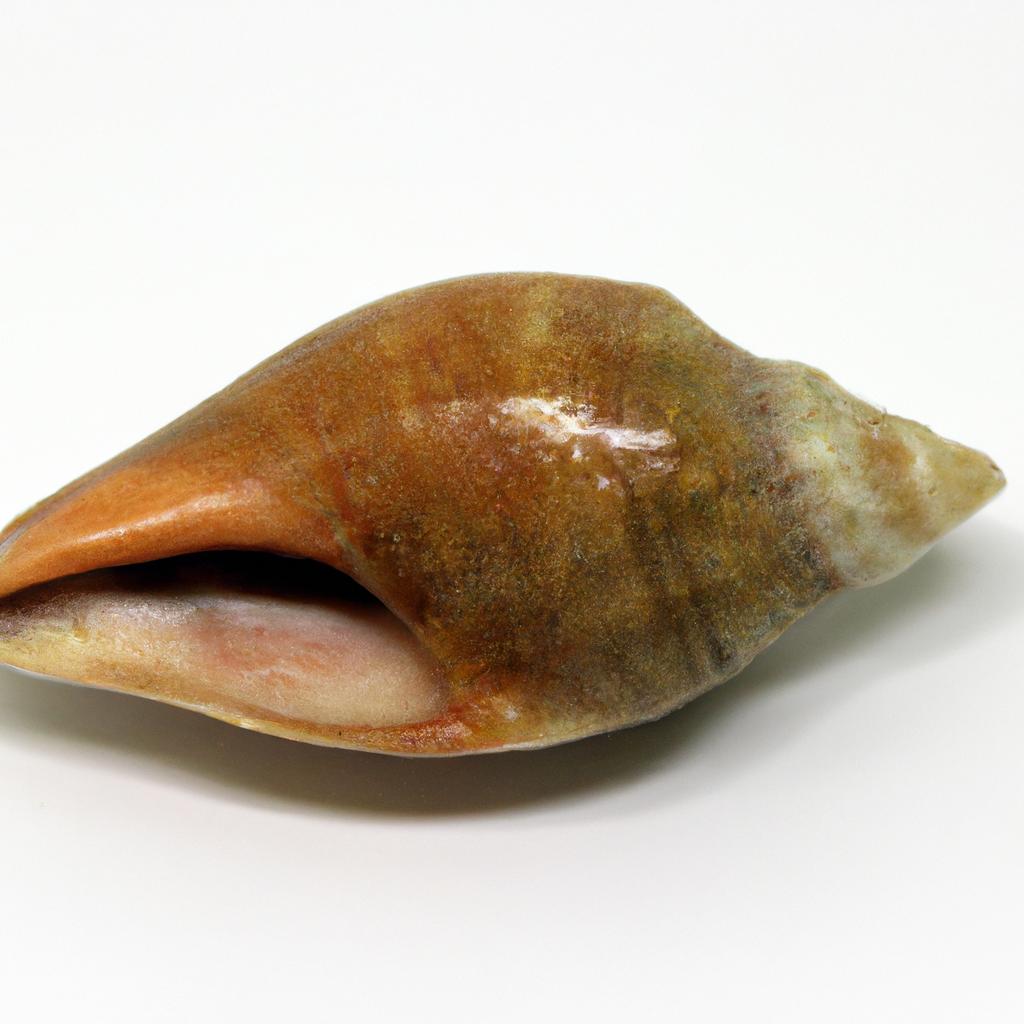
Mollusks as Primary Consumers
Mollusks play a critical role in marine ecosystems as primary consumers, meaning they feed on primary producers, such as algae and phytoplankton. For example, bivalves like clams, mussels, and oysters filter feed on these tiny organisms, helping to keep the water clear and maintain the balance of nutrients in the ecosystem.
Mollusks as Prey
Many mollusks serve as an essential food source for larger marine predators. For instance, various species of fish, marine mammals, and seabirds rely on mollusks such as squid, octopus, and snails as a significant part of their diet. This predator-prey relationship helps to maintain the balance of populations within the ecosystem.
Mollusks and Decomposition
Decomposers in Marine Ecosystems
Decomposers play a vital role in breaking down dead organic matter and recycling nutrients back into the ecosystem. In marine environments, decomposers include bacteria, fungi, and some invertebrates such as sea cucumbers and marine worms.
Mollusks and Detritus
While mollusks are not decomposers themselves, they do contribute to the decomposition process in marine ecosystems. Some mollusks, particularly scavenging gastropods like sea snails, feed on dead organic matter, or detritus. By consuming detritus, these mollusks help to break down and redistribute organic material, making it more accessible to decomposers.
Mollusks and Human Uses
Mollusks as Food
Mollusks have been an essential part of human diets for thousands of years. Shellfish, such as oysters, clams, and mussels, are rich sources of protein, vitamins, and minerals. Cephalopods like squid and octopus are also commonly consumed in many cultures.
Mollusks in Industry and Medicine
Mollusks have been used by humans for various purposes beyond food. Their shells have been used for jewelry and decoration, while pearls produced by certain bivalves are highly prized. Additionally, research on mollusks has led to breakthroughs in medicine, such as the development of pain-relief drugs derived from cone snail venom.
Mollusk Conservation and Threats
Habitat Loss and Pollution
Mollusks face numerous threats to their survival, including habitat loss and pollution. The destruction of coastal ecosystems such as mangroves, seagrasses, and coral reefs has significant impacts on mollusk populations. Additionally, pollution from agricultural runoff, industrial waste, and plastic debris can harm mollusks and their habitats.
Climate Change
Climate change poses an increasing threat to mollusks and their ecosystems. Rising ocean temperatures can cause stress and disrupt reproductive cycles, while ocean acidification can make it difficult for mollusks to build and maintain their shells.
Conclusion
In conclusion, mollusks are not decomposers, but their role as primary consumers and detritivores helps maintain the health and balance of marine ecosystems. The conservation of these fascinating creatures is vital for preserving the biodiversity and ecological function of our oceans. Here are ten essential facts about mollusks:
1. Mollusks belong to the phylum Mollusca, which includes over 100,000 species.
2. They are found in virtually every marine habitat on Earth.
3. Mollusks possess a soft body, a muscular foot, a visceral mass, and a mantle.
4. They play a crucial role in marine ecosystems as primary consumers.
5. Many mollusks serve as an essential food source for larger marine predators.
6. Mollusks help to break down and redistribute organic material, making it more accessible to decomposers.
7. They have been used by humans for food, industry, and medicine for thousands of years.
8. Mollusks face threats from habitat loss, pollution, and climate change.
9. The conservation of mollusks is essential for preserving the biodiversity and ecological function of our oceans.
10. Mollusks are not decomposers, but they play a vital role in maintaining the health and balance of marine ecosystems.
FAQs
Which animals are known as decomposers?
Animals such as worms, insects, and some types of bacteria and fungi are known as decomposers because they break down and consume dead organic matter, returning nutrients to the soil and ecosystem.
What are 5 examples of decomposers?
Some examples of decomposers are bacteria, fungi, earthworms, snails, and millipedes.
Are plants examples of decomposers?
No, plants are not examples of decomposers. Decomposers are organisms that break down dead organic matter into simpler compounds, while plants are autotrophic organisms that produce their own food through photosynthesis.
What are 5 decomposers in the ocean?
Some common decomposers in the ocean include bacteria, fungi, protozoa, crustaceans, and mollusks.
What are examples for decomposers?
Examples for decomposers include bacteria, fungi, earthworms, and some insects such as beetles and termites.
What are 3 decomposers in the deep sea?
Three decomposers in the deep sea are bacteria, fungi, and marine worms.


