
The ocean is a vast and fascinating ecosystem, filled with a diverse array of creatures, both large and small. As a marine biologist, I have spent years studying marine life, and one question that often comes up is: Are starfish decomposers?The simple answer is no, starfish are not decomposers.Rather, they are considered to be carnivorous predators. In this blog post, we will explore the role of starfish in the marine ecosystem and learn more about these fascinating creatures.
The Role of Decomposers in the Ecosystem
What is a Decomposer?
A decomposer is an organism that breaks down dead organic material into simpler substances. Decomposers play a crucial role in the ecosystem by recycling nutrients and making them available for other organisms to use. Without decomposers, dead plants and animals would accumulate in the environment, and nutrients would become locked away.
Common Decomposers in the Ocean
In the ocean, there are a variety of decomposers, such as bacteria, fungi, and certain types of invertebrates like worms and crustaceans. These organisms break down dead plants and animals, releasing nutrients back into the water and ensuring a healthy, balanced ecosystem.
Starfish: Predators, Not Decomposers
Starfish Feeding Habits
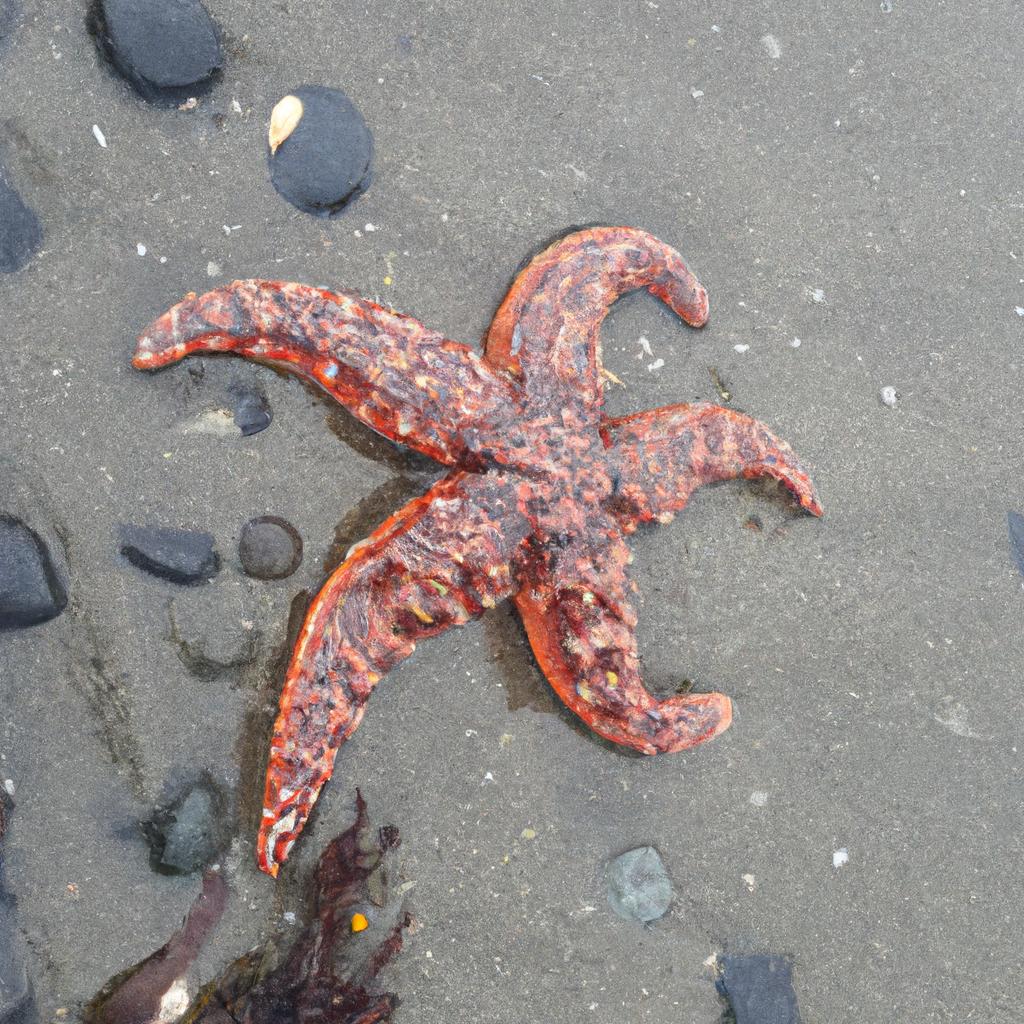
Starfish, also known as sea stars, are carnivorous predators that feed on a variety of organisms, including mollusks, crustaceans, and even other echinoderms. They have a unique feeding mechanism called “extracellular digestion,” which involves ejecting their stomach out of their body, engulfing their prey, and digesting it externally. Once the prey has been broken down into smaller particles, the starfish retracts its stomach back into its body to absorb the nutrients.
The Ecological Role of Starfish
As predators, starfish play an essential role in maintaining the balance of the marine ecosystem. By feeding on a variety of prey, they help control populations and prevent any one species from becoming too abundant. This, in turn, helps maintain biodiversity and promotes a healthy, stable environment.
Different Types of Starfish
The Diversity of Starfish Species
There are over 2,000 different species of starfish, ranging in size from less than an inch to over three feet in diameter. They can be found in a variety of habitats, from shallow tidal pools to the deep sea. Some species, like the crown-of-thorns starfish, have become infamous for their destructive feeding habits on coral reefs. Others, like the sunflower star, are known for their impressive size and speed.
Unique Adaptations of Starfish
Starfish have a variety of unique adaptations that enable them to thrive in their environments. Their flexible, muscular arms allow them to navigate complex terrain and capture prey. They also have a water vascular system, which powers their tube feet and enables them to move and feed. Additionally, starfish can regenerate lost limbs, allowing them to recover from injury and even reproduce asexually.
The Importance of Starfish Conservation
Threats to Starfish Populations
Like many marine species, starfish face a number of threats, including habitat destruction, pollution, and climate change. Overfishing can also have an impact on starfish populations, as it disrupts the balance of the ecosystem and can lead to a decline in their prey. In some cases, starfish themselves are targeted for collection, either for the aquarium trade or as souvenirs.
Protecting Starfish and Their Habitats
Conservation efforts are crucial in ensuring the survival of starfish populations and the health of the marine ecosystems they inhabit. This includes implementing sustainable fishing practices, protecting critical habitats, and reducing pollution. By working together to protect our oceans, we can help ensure that starfish and other marine species continue to thrive for generations to come.
Conclusion: Starfish are Fascinating Predators, Not Decomposers
So, are starfish decomposers?No, starfish are not decomposers, but rather carnivorous predators that play a vital role in maintaining the balance of the marine ecosystem. To wrap up, here are 10 interesting facts about starfish:
1. Starfish are not fish; they are actually echinoderms, a group that also includes sea urchins and sand dollars.
2. There are over 2,000 species of starfish found in oceans all around the world.
3. Starfish have a unique “extracellular digestion” feeding mechanism.
4. They play a vital role in the ecosystem as carnivorous predators.
5. Starfish can regenerate lost limbs and even reproduce asexually through this process.
6. They have a water vascular system that powers their tube feet.
7. Starfish range in size from less than an inch to over three feet in diameter.
8. They are found in a variety of marine habitats, from shallow tidal pools to the deep sea.
9. Starfish populations face threats from habitat destruction, pollution, climate change, and overfishing.
10. Conservation efforts are essential for protecting starfish and the ecosystems they inhabit.
FAQs
Is the starfish a predator?
Yes, starfish are predators. They feed on a variety of prey such as mollusks, crustaceans, and other invertebrates.
Is starfish a decomposer?
No, starfish are not decomposers. They are predators that feed on other animals, such as bivalves and crustaceans.
Is A starfish A Scavenger?
Yes, a starfish is a scavenger as it feeds on dead or decaying organisms.
Is a starfish a producer consumer or decomposer?
A starfish is a consumer as it feeds on other organisms such as mollusks, crustaceans, and small fish.
Are starfish scavengers or decomposers?
Starfish are primarily scavengers, feeding on dead or dying animals, but they can also act as decomposers by breaking down organic matter.
Are starfish predators or scavengers?
Starfish can be both predators and scavengers, depending on the species and the situation. Some species of starfish are active predators, hunting for prey such as mollusks, while others are opportunistic scavengers that feed on dead or decaying organic matter.


