
When I first got interested in marine life, I became fascinated by the way different species interact with their environments.
In particular, I was curious about the diets of various marine creatures.
One question that has piqued my curiosity time and time again is: do crabs eat seagrass?
As a marine enthusiast, I decided to embark on a journey to find the answer to this question.
The short answer is no, crabs do not typically eat seagrass. However, as with many things in life, the answer isn’t always so simple.
In this blog post, I will detail my exploration of this question, discussing the crab’s diet, the role of seagrass in marine ecosystems, and the interaction between crabs and seagrass.
Contents
The Diet of Crabs
Crabs are known to be omnivores, meaning they eat both plants and animals.
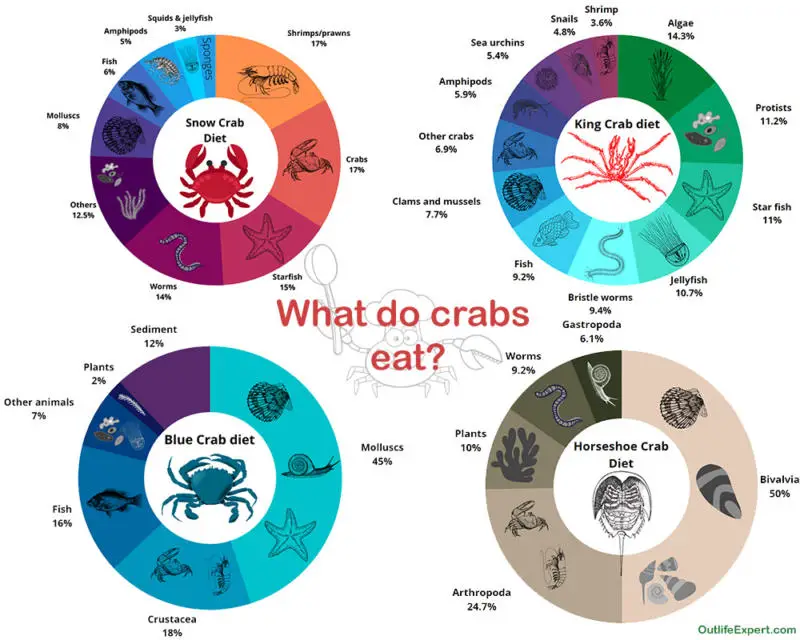
Their diet primarily consists of algae, plankton, mollusks, small fish, and detritus (dead plants and animals).
Opportunistic Feeders
Crabs are opportunistic feeders, which means they will eat whatever is available to them in their environment. This feeding behavior is practical for them as it allows crabs to adapt to various habitats and food sources.
However, this does not mean that crabs will consume everything in their path, including seagrass.
Preferences for Algae

Even though crabs are omnivorous, they seem to prefer algae as their primary plant-based food source. Algae are not only abundant in the marine environment, but they are also more easily digestible for crabs compared to seagrass.
This preference for algae is one reason why crabs do not typically eat seagrass.
The Role of Seagrass in Marine Ecosystems
Seagrasses are vital components of marine ecosystems, providing habitat, food, and shelter for various marine species.
They also help stabilize sediments, improve water quality, and contribute to carbon sequestration.
Food Source for Herbivores
Seagrass serves as a primary food source for herbivorous marine animals such as sea turtles, manatees, and some fish species.
These animals have specialized digestive systems that allow them to break down and extract nutrients from seagrass efficiently.
Indirect Benefits for Crabs
Although crabs do not eat seagrass directly, they still benefit from its presence in their environment. Seagrass beds provide hiding spots and protection for crabs, as well as breeding and nursery grounds.
Furthermore, seagrass beds attract other marine species that serve as food sources for crabs, making these areas rich hunting grounds.
When Crabs Interact with Seagrass
There are instances when crabs interact with seagrass, but not necessarily for consumption purposes.
In some cases, crabs may use seagrass as a tool or for camouflage.
Using Seagrass as a Tool
Some crab species, like decorator crabs, use seagrass to their advantage by attaching pieces of seagrass to their shells.
This behavior helps them blend into their surroundings and avoid predators.
Accidental Consumption
In rare cases, crabs may accidentally consume small amounts of seagrass while feeding on other organisms living among the seagrass beds. However, this is not a deliberate dietary choice, and crabs do not rely on seagrass as a primary food source.
Exceptions to the Rule
As with many things in nature, there are always exceptions to the rule.
Some crab species, like the green crab (*Carcinus maenas*), have been observed consuming seagrass in small quantities.
However, this behavior is not widespread among crab species and is not considered a typical part of their diet.
The Impact of Crabs on Seagrass Beds
While crabs do not directly consume seagrass, their foraging activities can have an impact on seagrass beds.
As crabs hunt for food, they may disturb the sediment and uproot seagrass, which can affect the health and stability of seagrass beds.
However, this impact is generally minimal, and crabs are not considered a significant threat to seagrass ecosystems.
Conclusion: Crabs and Seagrass
In conclusion,crabs do not typically eat seagrassas part of their diet, as they prefer algae and other more easily digestible food sources.
While there are some exceptions to this rule, and crabs may interact with seagrass for various reasons, the overall relationship between crabs and seagrass is not one of predator and prey.
Although crabs do not rely on seagrass for sustenance, they still benefit from the presence of seagrass beds in their environment, which provide shelter, protection, and access to other food sources.
FAQs
What is the biggest threat to seagrass?
The biggest threat to seagrass is human activities, such as coastal development, pollution, overfishing, and climate change.
What eats seagrass in the marine biome?
Many marine herbivores, such as sea turtles, manatees, dugongs, and certain species of fish, crustaceans, and mollusks, eat seagrass in the marine biome.
What do seagrass eat?
Seagrasses are autotrophs, meaning they produce their own food through photosynthesis, and they do not eat anything.
Does seagrass provide food?
Yes, seagrass provides food for a variety of marine animals such as sea turtles, dugongs, manatees, and some species of fish and invertebrates.
What animals are dependent on seagrass?
Many marine animals are dependent on seagrass for their survival, including sea turtles, dugongs, manatees, and certain species of fish and crustaceans.
What are 3 threats to seagrass?
Three threats to seagrass are coastal development and land-use changes, nutrient pollution, and physical damage from boating and fishing activities.


