
Yes, perch have many bones. Perch are a group of freshwater fish that belong to the Percidae family. They are known for their many bones, making them a bit challenging to eat. However, their delicious taste and abundant presence in various water bodies make them a popular target for anglers. In this blog post, I will share my first-hand experiences and insights on perch and their bone structure, as well as tips on how to handle and prepare them for a delightful meal. Let’s dive in and explore the world of perch!
Contents
The Anatomy of a Perch
External Features
Perch are easily recognizable by their elongated, somewhat compressed body shape. They have two dorsal fins, with the first one being spiny and the second one being soft. Their pelvic and anal fins are also equipped with spines. The coloration of perch varies depending on their habitat, ranging from golden yellow to greenish-brown with dark vertical bars along their sides.
Internal Features
When it comes to the internal structure of perch, the most notable feature is their intricate bone system. The bones provide support and protection for the fish’s organs, as well as attachment points for muscles, allowing them to swim and maneuver efficiently. The skeleton of a perch consists of several components, such as the skull, vertebral column, and the bones of the fins.
Why Do Perch Have So Many Bones?
Perch have many bones as a result of their evolutionary history. They belong to the group of ray-finned fishes, which have a complex skeletal system consisting of numerous thin, ray-like bones that support their fins. These bones provide them with increased flexibility and mobility, allowing them to navigate through various aquatic environments and escape predators.
Additionally, the high number of bones in perch may also serve as a defense mechanism against predators. Many predators, such as birds and mammals, may find it difficult to consume a fish with many bones, and thus, prefer to hunt for other, less bony prey.
Catching Perch
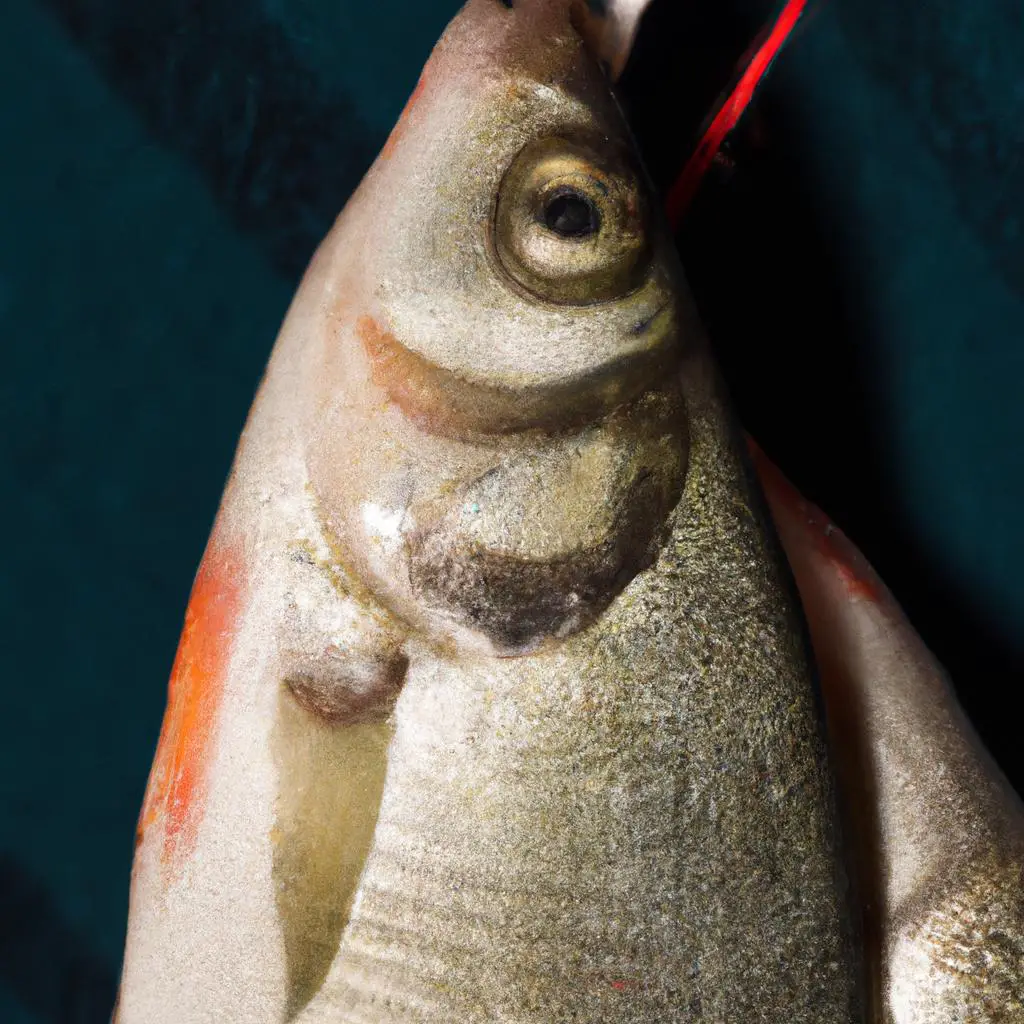
Catching perch can be a fun and rewarding experience for both novice and experienced anglers. They are abundant in various water bodies, such as lakes, ponds, and rivers, and can be found in different depths, making them an accessible target for fishing enthusiasts.
Fishing Techniques
There are several methods to catch perch, including using live bait, artificial lures, or fly fishing. Live bait, such as minnows, worms, or insect larvae, can be very effective in attracting perch. Artificial lures, like spinners, jigs, or small crankbaits, can also be successful in provoking the predatory nature of perch.
Seasonal Considerations
Perch are active throughout the year, but their behavior and feeding patterns may change depending on the season. During the spawning season in spring, perch are more likely to be found in shallow waters, making them easier to catch. In summer and fall, they may move to deeper waters, requiring anglers to adjust their tactics accordingly. In winter, ice fishing can be a popular method to target perch.
Preparing Perch for Cooking
Once you’ve caught your perch, it’s time to prepare them for a delicious meal. Due to their many bones, it’s essential to learn the proper techniques for filleting and deboning perch.
Filleting
To fillet a perch, start by making a cut just behind the gill cover, angling the knife towards the head. Then, turn the knife and follow the backbone along the length of the fish, separating the fillet from the ribs and spine. Repeat the process on the other side of the perch.
Deboning
After filleting, some small bones called pin bones may still be present in the fillet. To remove them, run your fingers along the fillet to locate the pin bones, and use tweezers or needle-nose pliers to pull them out gently.
Cooking Perch
Once the perch fillets are bone-free, it’s time to cook them. Perch have a delicate, mild flavor and a tender, flaky texture, making them a versatile ingredient for various dishes.
Cooking Methods
Perch can be cooked in several ways, such as pan-frying, grilling, baking, or poaching. Pan-frying is a popular method, as it creates a crispy exterior while keeping the inside tender and moist. Grilling or baking can also produce delicious results, particularly when marinated or seasoned with herbs and spices. Poaching is a gentle cooking method that preserves the natural flavors of the fish, making it an excellent choice for more delicate preparations.
Conclusion
In conclusion, perch do indeed have many bones, but this should not deter you from enjoying this delicious and versatile fish. By understanding their anatomy and learning the proper techniques for catching, filleting, and deboning perch, you can transform them into a delightful and satisfying meal. Here are ten key takeaways about perch and their bones:
1. Perch belong to the Percidae family.
2. They have a complex skeleton with many bones.
3. The high number of bones may serve as a defense mechanism against predators.
4. Perch are abundant in various water bodies, such as lakes, ponds, and rivers.
5. They can be caught using live bait, artificial lures, or fly fishing.
6. Their behavior and feeding patterns may change depending on the season.
7. Filleting and deboning perch require proper techniques to remove the many bones.
8. Perch have a delicate, mild flavor and a tender, flaky texture.
9. They can be cooked in various ways, including pan-frying, grilling, baking, or poaching.
10. Despite their many bones, perch are a delightful and satisfying fish to enjoy.
FAQs
Where are the bones in perch?
The bones in perch are located along the spine and in the head.
Is perch a bony fish?
Yes, perch is a bony fish.
Are there bones in perch fillets?
Yes, there are small bones called “pin bones” in perch fillets that need to be removed before cooking or eating.
Is perch a bony fish to eat?
Yes, perch is a bony fish to eat.
Does perch fish have bones?
Yes, perch fish have bones.
Does white perch have a lot of bones?
Yes, white perch has a lot of small bones, which can make it difficult to fillet and eat.


